Global Projects
International Expertise
Global Project Management & Implementation
Financial and strategic investors are racing to capitalize on innovation and disruption in the food and agriculture sectors. Finding and pricing the right investment opportunities is anything but straightforward. Investors in agribusiness must be well-versed in production techniques, geography, climate, and complex value chains impacted by regional decision-makers and global movements in demand and supply.
Investors may have difficulty finding relevant investments in geographical areas that are unfamiliar to them, and their viability is determined not only by crop yields but also by how various parts of the supply chain operate.
Throughout the agribusiness value chain, we offer extensive due diligence, technical, operational, strategic, and investment data, as well as project implementation expertise.
Africa
Agricultural and horticultural projects in Africa focus on various aspects of farm management, including implementing regenerative agricultural and biodiversity systems, agrarian sustainability, water, and environmental management, farm management support and development, and crop diversification. Effective farm management involves planning and organizing farm activities to improve productivity, efficiency, and profitability while minimizing environmental impact. Regenerative agriculture and biodiversity management systems, agrarian sustainability, water and environmental management, and crop diversification are all key focuses in African agriculture. Providing farm management support and development is crucial to the success of agricultural projects in Africa. Other important considerations include reviewing production setups, redesigning commercial and operational strategies, improving agricultural processes and systems, and providing oversight and direction to staff.
Farm Management
- Agricultural and horticultural projects across Africa are focused on various aspects of farm management, including regenerative agricultural and biodiversity management systems, agrarian sustainability, water, and environmental management, farm management support and development, crop diversification, and implementing regenerative agricultural and biodiversity systems for operations producing livestock, row crops, and intensive export horticulture.
Regenerative Agricultural & Biodiversity Management
- A key focus in African agriculture is implementing regenerative agricultural and biodiversity management systems that aim to enhance soil health and fertility, reduce erosion and nutrient runoff, and promote biodiversity through cover crops, crop rotation, and agroforestry. These systems improve land quality and foster a more sustainable agricultural system.
Agrarian Sustainability
- Agrarian sustainability is another significant consideration, which involves implementing practices and systems that promote long-term sustainability such as organic and natural farming methods, as well as sustainable land management practices.
Water & Environmental Management
- Water and environmental management system implementation are crucial in areas with limited water resources, entailing the conservation of water and reducing environmental impact through practices like drip irrigation and rainwater harvesting.
Farm Management Support & Development
- Farm management support and development are crucial to the success of agricultural projects in Africa, with farmers provided training, resources, and support to improve their productivity and profitability. This may include training on new farming techniques, access to credit and financial resources, and provision of farming equipment and tools.
Crop Diversification
- Crop diversification is a key focus in African agriculture to increase profitability and reduce risk by introducing new crops and varieties to the farming system and improving the quality of existing crops.
Agronomic Strategies for Controlling Chlorine in Virginia & Burley Tobacco
- Agronomic strategies for controlling chlorine in tobacco crops are also an essential consideration in African agriculture, reducing the amount of chlorine in the soil to promote healthy crops and protect the environment.
Production Reviews to Resolve Complex Operational Issues
- Reviews of production setups are conducted to resolve complex operational issues such as water scarcity, involving assessment of the current farming system, identifying areas of inefficiency and waste, and implementing changes to improve productivity and efficiency.
Re-design Effective Commercial & Operational Farm Strategy
- Redesigning the commercial and operational strategy for farms is also an important consideration, particularly for small-scale farmers, by identifying new markets and opportunities, improving supply chain management, and reducing costs to increase profitability.
Agricultural Process & Systems Reduction for Input Costs & Yield Quality
- Improving agricultural processes and systems by reducing input costs and improving yields and quality is also important through the implementation of new technologies, supply chain management, and marketing strategies.
Infrastructure & Equipment Development Programs
- Infrastructure and equipment maintenance is essential to support development programs, ensuring they are properly maintained and repaired to prevent breakdowns and minimize waste.
Teams Oversight, Training, & Management
- Providing oversight and direction to teams of 3,000+ staff is a key focus in African agriculture, particularly for larger operations, by managing and motivating staff to improve productivity and efficiency while providing clear direction and support to achieve project goals and objectives.
Development & Establishment of Small-scale Out-grower Schemes
- This project involves working with small-scale farmers and helping them to produce crops that meet market demand. The project provides technical support, training, and access to inputs such as seeds, fertilizers, and pesticides. By establishing these out-grower schemes, farmers can increase their incomes and improve their livelihoods.
Coaching for Managing, Motivating, & Developing Cross-functional Factory Teams
- This project focuses on helping factories to improve their efficiency and productivity. The project provides coaching, training, and support to factory teams to develop new initiatives and processes that can increase productivity and reduce costs.
Commercial Nursery Establishment to Support Seedling Demand
- This project involves the establishment of commercial nurseries to produce high-quality seedlings that meet market demand. The project provides technical support and training to nursery operators to ensure that they produce high-quality seedlings that are disease-free and have good growth potential.
Greenhouse Total Management for a Variety of High-revenue Return Capsicum Products
- This project involves the total management of greenhouses to produce high-revenue return capsicum products such as chili peppers, bell peppers, and jalapenos. The project provides technical support, training, and access to inputs to ensure that the crops are of high quality and meet market demand.
Reticulation Design & Support
- This project involves designing and installing irrigation systems to ensure that crops have access to water throughout their growing cycle. The project provides technical support and training to ensure that the irrigation systems are designed and installed to the highest standards, and that they are properly maintained and operated to maximize water efficiency and crop yield.
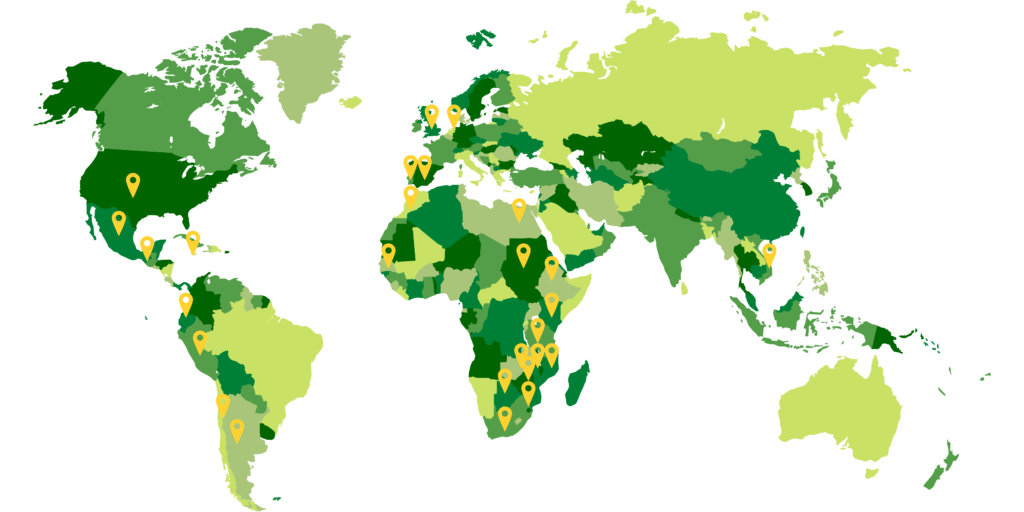
- South Africa
- Swaziland
- Zimbabwe
- Zambia
- Mozambique
- Malawi
- Tanzania
- Kenya
- Ethiopia
- Sudan
- Senegal
- Morocco
- Egypt
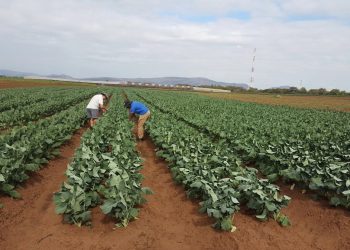
Assessing Broccoli
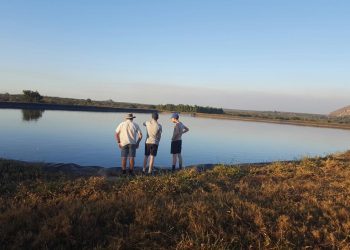
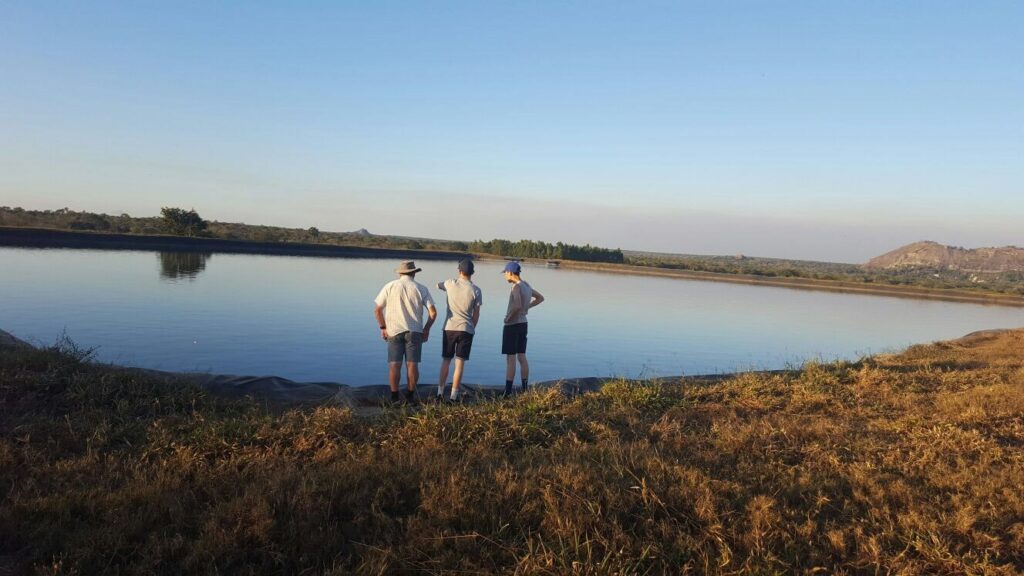
Water Storage for Irrigation Expansion

Working with Small-scale Growers
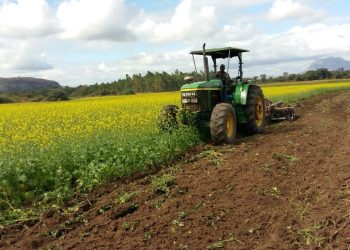
Turning Canola
Asia
Vietnam’s agricultural industry has been conducting various projects, including project development and marketing, and greenhouse management services. Project development and marketing in Vietnam’s agricultural industry include conducting feasibility studies, developing new technologies and practices, and identifying potential markets and customers. Greenhouse management services in Vietnam involve design, construction, and pest control, allowing farmers to produce high-value crops year-round with higher yields, improved quality, and reduced water and pesticide use. The Vietnamese government has provided support and incentives for farmers and agricultural companies to adopt new technologies and practices, including the use of greenhouses. The agricultural industry in Vietnam is characterized by a focus on innovation and technology, as well as a strong commitment to improving productivity and quality.
Project Development & Marketing
Project development and marketing is a key focus in the agricultural industry in Vietnam, and it involves developing new agricultural projects and marketing them to potential investors and customers. This includes conducting feasibility studies to assess the viability of a project, as well as identifying potential markets and customers. In Vietnam, there has been a focus on developing new technologies and practices that improve the efficiency and productivity of agricultural operations, as well as enhancing the quality of agricultural products to meet the needs of domestic and international markets.
Greenhouse Management Services
Greenhouse management services are also a key focus in the agricultural industry in Vietnam, particularly for the production of high-value crops such as vegetables, flowers, and fruits. Greenhouses are used to protect crops from harsh weather conditions and pests, as well as to provide optimal growing conditions such as temperature, humidity, and light. Greenhouse management services in Vietnam may include the design and construction of greenhouses, as well as the installation of irrigation and climate control systems. In addition, services may also include crop management and pest control, as well as the provision of technical assistance and training to greenhouse operators.
The use of greenhouse technology in Vietnam has led to significant improvements in agricultural productivity and efficiency. This has resulted in higher yields and improved quality of crops, as well as reduced water and pesticide use. The use of greenhouses has also allowed farmers to produce crops year-round, which has helped to increase the supply of fresh produce in the domestic market and reduce the dependence on imports.
In recent years, the Vietnamese government has placed a strong emphasis on the development of high-tech agriculture, including the use of greenhouse technology. The government has provided support and incentives for farmers and agricultural companies to adopt new technologies and practices, including the use of greenhouses. This has led to significant investments in the agricultural industry, as well as the development of new technologies and practices that improve productivity, efficiency, and sustainability.
Overall, the agricultural industry in Vietnam is characterized by a focus on innovation and technology, as well as a strong commitment to improving productivity and quality. The use of greenhouse technology has played a significant role in this, and it is likely to continue to be an important area of focus in the years to come.
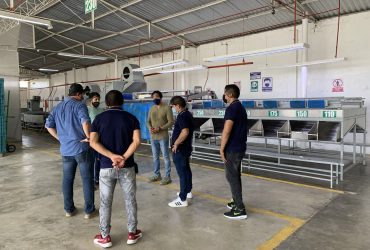
Technical Support & Training
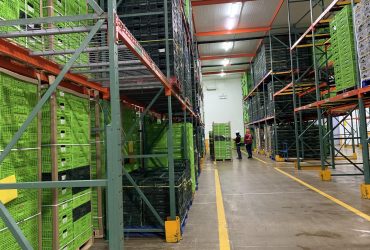
Packhouse Product Stacking Systems
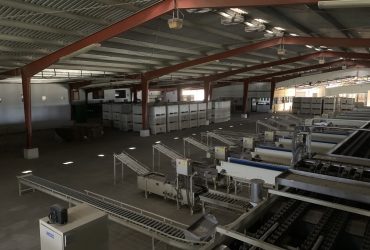
Rehabilitate & improve product handling equipment
North America
North America’s agricultural industry is focused on improving productivity and sustainability through various projects. These include implementing renewable farming systems, developing new legume varieties, and increasing sweet potato production. Precision agriculture technologies are being used to optimize crop production, while direct procurement and supply chain operations are being developed for efficient and sustainable supply chains. Organizational policies and philosophies are being implemented to improve efficiency and reduce waste, and financial metrics are being reported for the effective management of resources. Building positive relationships with suppliers, media officials, stakeholders, and communities is also a focus. Overall, the industry is characterized by a focus on innovation, sustainability, and efficiency.
Renewable Farming Systems for High-value Humus Compost
- Renewable farming systems have been implemented to consistently produce high-value humus compost. This involves using sustainable practices such as crop rotation, cover cropping, and the use of natural fertilizers to produce high-quality compost for use in agricultural operations. The use of renewable farming systems can help to reduce the environmental impact of agriculture and improve soil health.
Legume Variety Development & Production
- Legume variety development and production has been a focus in the agricultural industry, with oversight of semi-commercial and commercial trials. This involves developing new legume varieties that are resistant to pests and diseases, as well as more productive and efficient than existing varieties. These new varieties can help to improve the productivity and profitability of agricultural operations, particularly in regions where legumes are an important crop.
Sweet Potato Production & Market Development
- Sweet potato production and market development have also been a focus in the North American agricultural industry. Sweet potatoes are a high-value crop that can be used in a variety of products, including snacks, soups, and baked goods. The development of new sweet potato varieties and the implementation of sustainable production practices can help to increase the supply of sweet potatoes and meet the growing demand for this crop.
Crop Production with Agronomic & Technical Support
- Crop production with agronomic and technical support is a key focus in the agricultural industry in North America. This involves providing farmers with the necessary support and resources to improve the productivity and quality of their crops. This may include the use of precision agriculture technologies, such as GPS mapping and drones, to optimize crop production and reduce waste.
Revamp International Business Strategy to Enhance Revenue & Growth
- Organizations have revamped their international business strategy to enhance revenue and growth. This involves developing new marketing and sales strategies to expand the reach of agricultural products into new international markets. This may involve identifying new product opportunities, developing new distribution channels, and forging new partnerships with suppliers and distributors.
Direct Procurement & Supply Chain Operations
- Direct procurement and supply chain operations are also a focus in the agricultural industry in North America. This involves developing efficient and sustainable supply chains for agricultural products, from production to distribution. This may involve the use of new technologies and practices to improve the efficiency and quality of the supply chain, as well as the development of new partnerships and relationships with suppliers and distributors.
Implementation of Lean Structures
- Organizational policies are outlined and implemented to ensure a lean structure. This involves developing clear policies and procedures for organizational operations, as well as implementing new practices to improve efficiency and reduce waste. This may involve the use of new technologies and practices to streamline operations and reduce costs.
Develop & Translate Organisational Philosophies into Operational Models
- Organizational philosophies are developed and translated into operational models, with performance evaluated to uncover opportunities to optimize operations. This involves developing clear organizational philosophies and values, as well as translating these into actionable operational models. Performance is then evaluated to identify areas for improvement and optimization.
Budgets & Report Financial Metrics
- Budgets are prepared and financial metrics are reported to support the effective management of agricultural operations. This involves developing clear budgets and financial metrics for agricultural operations, as well as reporting on financial performance to ensure effective management of resources.
Forge Positive Relationships with Media Officials, Internal Stakeholders, & Communities
- Prospecting for profitable suppliers and forging positive relationships with media officials, internal stakeholders, and surrounding communities is also a focus in the agricultural industry. This involves developing strong relationships with suppliers, as well as with media officials, internal stakeholders, and surrounding communities, to build a positive reputation and ensure continued success in the industry.
International Fresh Producers, Suppliers, & Logistics Partners
- Many agricultural and horticultural businesses in North America work with international partners to source inputs, market their products, and distribute their goods. This involves establishing relationships with fresh producers, suppliers, and logistics partners to ensure a smooth flow of goods and services. These collaborations allow for the exchange of knowledge, technologies, and best practices, which help improve the agricultural industry in North America.
Regenerative Agricultural & Biodiversity Management
- Regenerative agriculture is a practice that involves rebuilding soil health, increasing biodiversity, and creating resilient farming systems. This is achieved through practices such as cover cropping, crop rotations, and reduced tillage. Many agricultural and horticultural projects in North America have adopted regenerative agriculture practices to improve soil health, enhance crop yields, and reduce the environmental impact of farming. These systems also help to promote biodiversity, which is critical for maintaining healthy ecosystems.
Implemention of Agricultural Sustainability
- Agricultural sustainability is a critical aspect of modern farming practices. Many agricultural and horticultural projects in North America focus on implementing sustainable practices that reduce environmental impact, improve soil health, and enhance crop yields. These practices include the use of cover crops, conservation tillage, crop rotation, integrated pest management, and precision agriculture. These practices help to ensure that the land and resources used for farming are not depleted and can continue to support future generations.
Overall, the agricultural industry in North America is characterized by a focus on innovation, sustainability, and efficiency. The use of new technologies and practices, as well as the development of new products and markets, are key areas of focus for agricultural organizations seeking to remain competitive and successful in the industry.
- Kansas
- California
- Idaho
- Raleigh
- Mexico
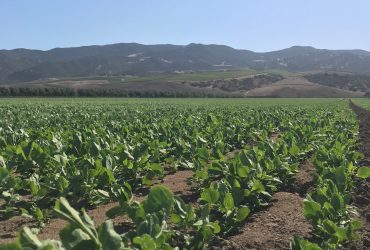
Snap pea Trial project

Snap pea Trial project Salinas Valley
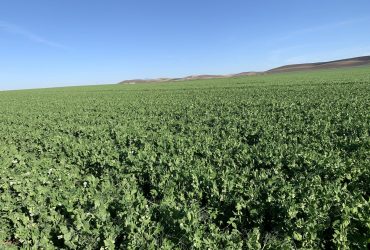
Stringless pea commercial development trials
The Caribbean
Several agricultural and horticultural projects have been implemented in the Caribbean, with a focus on improving production, and supply chains, and developing new products for export. Projects include establishing new logistics links to improve access to new markets, implementing regenerative agricultural and biodiversity management systems, and conducting trials to develop new crops for export such as baby corn and sweet potatoes. The projects have led to an increase in revenue, reduced waste, and promoted sustainable agriculture in the region.
The Caribbean has seen a variety of agricultural and horticultural projects in recent years, aimed at improving production and supply chains, as well as developing new products for export.
Development of Product Processing Facility
- One project of note is the development of an added-value product processing facility, which allows for more efficient processing of crops and increases the value of the products. This has helped to create new business opportunities and increase revenue for local farmers.
Logistic Link Expansion – South & Central America, Jamaica, & the UK/EU
- Another initiative is the establishment of new logistics links between South and Central America, Jamaica, and the UK/EU. This has improved access to new markets, which has led to an increase in trade and revenue for farmers and businesses in the region.
Baby Corn Production
- Baby corn production trials have also been conducted in the Caribbean, with the goal of developing a new crop for export. This project involves testing different varieties and growing techniques to determine the best methods for growing and harvesting baby corn.
Regenerative Agriculture & Biodiversity Management
- There has also been a focus on implementing regenerative agricultural and biodiversity management systems, which aim to promote sustainable farming practices while protecting the environment. These systems use techniques such as crop rotation, cover crops, and reduced tillage to improve soil health and biodiversity.
Agricultural Sustainability
- Systems of implementing agricultural sustainability have also been put in place, with a focus on reducing waste, conserving resources, and promoting environmentally-friendly farming practices. This has helped to reduce the environmental impact of agriculture in the region, while also increasing efficiency and productivity.
Sweet Potato Propogation & Trials for Export Markets – the USA & EU
- In addition, sweet potato variety trials have been set up for the export markets in the USA and Europe, with a focus on developing new varieties that are better suited to these markets. Propagation of sweet potato slips has also been a focus, as this is a key step in the production of sweet potatoes.
Overall, these projects in the Caribbean have helped to promote sustainable agriculture, increase revenue and trade, and develop new products for export.
- Jamaica
Central America
Guatemala’s agricultural sector has been the focus of several recent projects aimed at improving production and expanding markets. Efforts have included improving logistics, developing technical and agronomic support for farmers, conducting market research, and developing new marketing campaigns. There has also been a focus on implementing Integrated Pest Management (IPM) training and support for farmers to reduce pesticide use. The redesign of commercial and operational strategies has helped improve efficiency and profitability in the sector. These changes have made Guatemalan agriculture more competitive and have helped expand its reach into new markets.
Guatemala has a long history of agricultural production, and in recent years, there have been several agricultural and horticultural projects aimed at improving production and expanding markets.
Liase with International Fresh Producers, Suppliers, & Logistics Partners
- One project has involved liaising with international fresh producers, suppliers, and logistics partners to improve access to markets outside of Guatemala. This has involved developing new partnerships and coordinating logistics to ensure that products are delivered on time and in good condition.
Technical & Agronomic Support
- Technical and agronomic support has also been provided to farmers in Guatemala, with the goal of improving production and yield. This support has included advice on crop selection, fertilization, and pest management, as well as technical assistance with irrigation and other farming practices.
Market Development Strategy
- Market development strategies have also been implemented, with a focus on identifying new markets and expanding existing ones. This has involved conducting market research, developing marketing campaigns, and identifying new product lines that are better suited to specific markets.
Alternative Logistic Coordination & Development Routes – the USA, UK, & EU
- Logistics coordination and development of alternate routes to the US, UK, and Europe have also been a focus of agricultural projects in Guatemala. This has involved developing new transportation routes, coordinating with logistics partners, and implementing new technologies to improve the efficiency of the supply chain.
IMP Training & Support
- Integrated pest management (IPM) training and support have also been established in Guatemala. This has involved providing training and technical assistance to farmers to help them manage pests and diseases in an environmentally sustainable way. This has helped to reduce the use of pesticides and other chemicals, which can have negative environmental and health impacts.
Re-design Effective Commercial & Operational Strategy
- Finally, the effective commercial and operational strategy for farms has been redesigned to improve efficiency and profitability. This has involved streamlining operations, reducing waste, and identifying new opportunities for revenue generation. These changes have helped to improve the competitiveness of Guatemalan agriculture and expand its reach into new markets.
- Guatemala
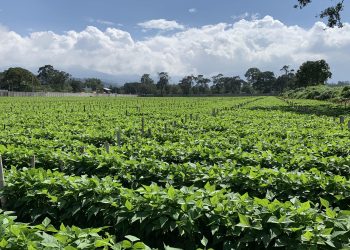
Varietal development program
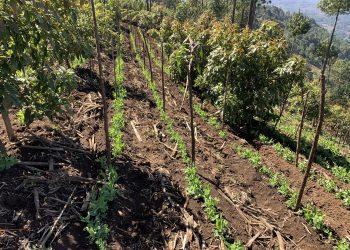
Inter-crop management & sustainability with small-scale growers

Black berry production & export development project

Export product development project
SOUTH AMERICA
South America is a continent with diverse agricultural and horticultural projects. Several projects include a focus on improving commercial and operational strategies, developing markets for indigenous produce, and offering agronomic and technical support for growers of various crops. Other projects involve improving food safety and quality, conducting pre-audit evaluations, promoting organic and environmentally sustainable agriculture practices, and implementing regenerative and biodiversity management systems. The goal is to ensure the long-term viability of operations by reducing waste, using renewable energy, and promoting social responsibility.
Re-designed Effective Commercial & Operational Strategy
- Agricultural companies in South America have been focusing on improving their commercial and operational strategies to become more efficient and profitable.
Develop Markets for Indigenous Produce
- Some agricultural companies in South America have been working to develop markets for indigenous produce, such as quinoa, acai, and chia, to expand their exports and promote sustainable agriculture practices.
Agronomic & Technical Support for Asparagus, Figs, Table Grapes, Berry, & Pomegranate Growers & Exporters
- There are several agricultural and horticultural projects in South America that offer agronomic and technical support to growers and exporters of asparagus, figs, table grapes, berry, and pomegranate crops. The support includes recommendations for soil management, irrigation, and pest control to improve yields and quality.
Re-write Operational & Packhouse HACCP Protocols
- South American agricultural companies have been updating and improving their operational and packhouse HACCP protocols to ensure food safety and quality. This is crucial for maintaining their market access to the United States and Europe.
Pre-audit Evaluations
- To prepare for audits, some agricultural and horticultural projects in South America conduct pre-audit evaluations to ensure that they comply with food safety and quality standards.
Organic Production & Support Strategies
- Organic agriculture is becoming increasingly popular in South America. Some projects provide support to farmers who are transitioning to organic production, such as providing training and technical assistance.
Environmental Agricultural
- Some agricultural companies in South America are implementing environmental agricultural strategies to reduce their environmental impact. For example, they are adopting precision agriculture practices to reduce the use of fertilizers and pesticides.
Renewable Farming to Produce High-value, Humus Compost
- Many agricultural projects in South America are adopting renewable farming systems to produce high-value, humus compost to support on-farm agronomic requirements. This approach improves soil health, reduces the use of synthetic fertilizers, and increases crop yields.
Regenerative Agricultural & Biodiversity Management
- Regenerative agriculture and biodiversity management systems are being implemented in some agricultural projects in South America to improve soil health, enhance biodiversity, and promote sustainable agriculture practices.
Agricultural Sustainability
- South American agricultural companies are implementing systems of agricultural sustainability to ensure the long-term viability of their operations. This includes reducing waste, using renewable energy, and promoting social responsibility.
- Ecuador
- Peru
- Chile
- Argentina
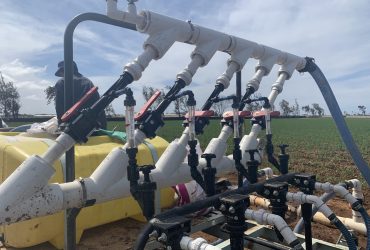
Developing infield fertiliser & bio-chemical injection systems
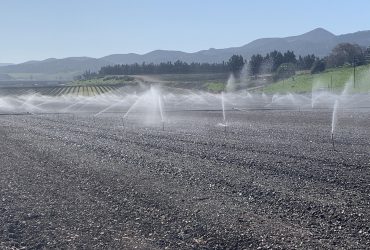
Germination management project under high air & soil temperatures

Commercial compost development project
Europe
Europe has a range of agricultural and horticultural projects that promote sustainability, regenerative practices, and productivity. The region has implemented systems of agricultural sustainability, such as the Common Agricultural Policy, which provides financial support to farmers who implement sustainable practices. There are projects aimed at promoting regenerative agriculture, supporting the berry and legume industries, managing soil salinity for herb production sites, and improving soil health and biodiversity. These projects are essential for promoting food security and ensuring the long-term health of the agricultural sector.
Europe has a diverse range of agricultural and horticultural projects that are aimed at promoting sustainability, regenerative practices, and improving productivity. The following are some of the projects that have been implemented in recent years:
Regenerative Agricultural & Biodiversity Management
- Regenerative agriculture is an approach that seeks to improve soil health and biodiversity by incorporating practices such as crop rotation, cover cropping, and reduced tillage. One notable project in Europe is the RegenAG UK, which aims to promote regenerative agriculture in the UK. The project provides training and support to farmers, as well as promotes the use of agroforestry and other regenerative practices.
Agricultural Sustainability
- Many European countries have implemented systems to promote agricultural sustainability, such as the Common Agricultural Policy (CAP) in the European Union. The CAP provides financial support to farmers who implement sustainable practices such as reducing pesticide use, promoting biodiversity, and improving soil health. In addition, many countries have their own sustainability programs, such as the Sustainable Agriculture Initiative in Switzerland.
Berry Production & Development
- Berry production is an important sector in many European countries, and there are various projects aimed at supporting and developing this industry. For example, the European Berry Cultivars and Breeding (EUBerry) project is focused on developing new berry varieties that are more productive and disease-resistant. Another project, the BerryPlus project, aims to improve the quality and nutritional value of berries through breeding and cultivation practices.
Legume Trial Support & Selection Strategies to Support Grower Variety Selections
- Legumes are an important crop in Europe, and there are various projects aimed at improving legume production and sustainability. For example, the LegValue project is focused on promoting the use of legumes in livestock feed, as well as improving the efficiency of legume production. Another project, the Legumes Translated project, is focused on promoting the use of legumes in sustainable farming systems.
Soil Salinity Sanagement for Export Herb Production Sites
- Soil salinity is a major problem in many regions of Europe, and it can have a significant impact on herb production. One project aimed at addressing this issue is the SalinHERB project, which focuses on developing strategies to manage soil salinity in herb production sites. The project is focused on developing new herb varieties that are more tolerant of salt, as well as developing irrigation and fertilization strategies to improve soil health and reduce salt accumulation.
Overall, Europe has a wide variety of agricultural and horticultural projects aimed at promoting sustainability, improving productivity, and supporting local industries. These projects are essential for ensuring the long-term health of the agricultural sector, as well as promoting food security and biodiversity.
- Portugal
- Spain
- Netherlands
- UK

Irrigation Management

Vineyard soil management project
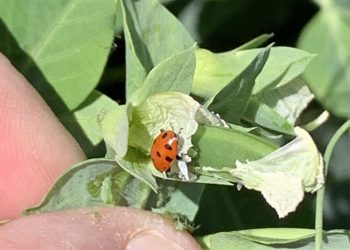
IPM development & implementation